The Science Behind Emulsifiers and Their Significance in Everyday Products
Emulsifiers are vital parts that enable the mixing of oil and water, 2 commonly immiscible materials. Their one-of-a-kind molecular framework permits them to reduce surface area stress, creating steady solutions in different products. This feature is essential for preserving the wanted appearance and top quality in food, cosmetics, and pharmaceuticals. emulsifiers. As the demand for innovative solutions expands, recognizing the science behind emulsifiers becomes significantly crucial. What implications might this have for future product development?

What Are Emulsifiers?
Emulsifiers are substances that allow the blending of two immiscible fluids, such as oil and water, developing a stable blend called an emulsion. These representatives play a vital function in numerous industries, including food, cosmetics, and pharmaceuticals. Emulsifiers have distinct molecular frameworks, typically featuring both hydrophilic (water-attracting) and hydrophobic (water-repelling) elements. This double nature permits them to interact with both kinds of fluids, promoting the formation of emulsions and avoiding splitting up.
Usual instances of emulsifiers consist of lecithin, commonly found in egg yolks, and mono- and diglycerides, which are typically made use of in baked goods. In foodstuff, emulsifiers enhance texture and consistency, improving overall top quality. In cosmetics, they help in producing steady creams and lotions. The flexibility of emulsifiers makes them vital in creating a variety of day-to-day products, making certain that numerous active ingredients mix flawlessly for suitable performance and consumer fulfillment.
Exactly How Do Emulsifiers Work?
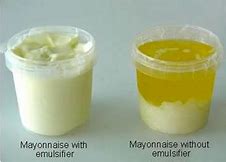
How do emulsifiers develop secure combinations from 2 normally unmixable fluids? Emulsifiers function by lowering the surface tension in between oil and water, which are naturally incompatible as a result of their molecular frameworks. They possess both hydrophilic (water-attracting) and hydrophobic (water-repelling) residential properties, enabling them to communicate with both stages. When an emulsifier is presented to a combination of oil and water, its molecules place themselves at the user interface, with the hydrophilic end in the water and the hydrophobic end in the oil. This arrangement maintains the solution by stopping the oil droplets from integrating and separating from the water stage. The outcome is an uniform combination, called an emulsion, which can be either oil-in-water or water-in-oil, relying on the predominant phase. As an outcome, emulsifiers play a necessary role in numerous products, ensuring uniformity and stability in solutions ranging from food things to cosmetics.
Kinds of Emulsifiers in Food Products
In the domain name of food manufacturing, different sorts of emulsifiers are utilized to enhance structure, security, and total quality. These emulsifiers can be classified primarily into artificial and all-natural types. All-natural emulsifiers, such as lecithin, acquired from soybeans or egg yolks, are typically made use of in items like mayonnaise and delicious chocolates. They are preferred for their clean label charm and functional advantages.
Artificial emulsifiers, like mono- and diglycerides, are typically made use of in processed foods for their cost-effectiveness and flexibility. These substances help preserve the preferred uniformity in items such as margarine and salad dressings. Additionally, polysorbates, one more group of synthetic emulsifiers, enhance the security of solutions in ice lotions and sauces. Each kind of emulsifier plays a vital duty in guaranteeing the preferred sensory qualities and shelf-life of foodstuff, inevitably boosting the consumer experience.
The Role of Emulsifiers in Cosmetics
While the primary function of emulsifiers in cosmetics is to blend oil and water-based ingredients, their influence extends beyond mere stablizing. Emulsifiers offer as important parts that improve the appearance and consistency of products such as lotions, lotions, and lotions. By creating a secure mix, they enable consistent distribution of energetic components, making certain that customers obtain the intended advantages of the solution.
Emulsifiers add to the sensory experience of cosmetic items. They can affect the feel and absorption of a product on the skin, giving a smoother application and an extra attractive finish. Additionally, emulsifiers contribute in expanding the shelf life of cosmetics by avoiding the splitting up of active ingredients, therefore keeping product honesty gradually. This stabilization is essential for consumer security and efficacy, making emulsifiers crucial in the formula of premium cosmetic items.
Benefits of Using Emulsifiers
Emulsifiers supply many benefits that prolong past their foundational duty in cosmetics. These materials enhance the stability and texture of various products, ensuring a consistent uniformity that is functionally reliable and aesthetically enticing. In food, emulsifiers contribute to improved mouthfeel and prolong life span by avoiding separation of ingredients, which is important for preserving high quality and safety and security. In addition, emulsifiers can help with the absorption of nutrients in nutritional formulas, optimizing their health and wellness advantages.
In the pharmaceutical industry, emulsifiers play a fundamental role in drug delivery systems, enhancing the bioavailability of energetic components. They also aid in formulating individual care products, making sure that energetic components are uniformly distributed for maximum see here now efficacy. Generally, the consolidation of emulsifiers substantially enhances item efficiency throughout diverse applications, making them vital in day-to-day items. Their multifunctional nature emphasizes their relevance in boosting both customer experience and item durability.
Typical Emulsifiers and Their Sources
On the other hand, artificial emulsifiers like mono- and diglycerides are acquired from glycerol and fats. These emulsifiers are generally made use of in refined foods for their efficiency and cost-efficiency. Polysorbates, one more synthetic alternative, are extensively used in various applications, consisting of cosmetics and drugs. Each sort of emulsifier serves specific useful roles, ensuring security and uniformity in the formulations of everyday items.
Future Trends in Emulsifier R & D

Additionally, advances in biotechnology are leading the way for the growth of customized emulsifiers that enhance security and structure while reducing environmental impact. This fad is enhanced by a growing interest being used waste great site materials from food production as potential emulsifier resources, thus advertising a circular economic climate.
Consumer understanding regarding wellness and health is driving the requirement for emulsifiers that sustain nutritional accounts, such as those that can provide functional advantages. As these trends advance, the future of emulsifier research study will likely stress both sustainability and functionality, dealing with the changing needs of consumers and sectors alike
Regularly Asked Questions
Are Emulsifiers Safe for Usage in Food Products?
Emulsifiers are typically considered safe for usage in food. Regulatory companies review their use, guaranteeing they meet security criteria. However, private level of sensitivities might vary, calling for care for those with specific dietary limitations or allergic reactions.
Can Emulsifiers Reason Sensitive Responses in Some People?

Exactly How Do Emulsifiers Impact the Shelf Life of Products?
Emulsifiers enhance product stability by stopping splitting up of active ingredients, which can prolong life span. Their capability to preserve harmony assists shield structures and flavors, eventually contributing to the durability of different food and cosmetic products.
Exist All-natural Alternatives to Artificial Emulsifiers?
All-natural options to artificial emulsifiers include components like lecithin, guar gum tissue, and xanthan gum tissue. These materials can properly maintain combinations, giving alternatives for those looking for to stay clear of synthetic ingredients while preserving product consistency and high quality.
What Laws Govern using Emulsifiers in Food and Cosmetics?
Emulsifiers in food and cosmetics are controlled by firms like the FDA and EFSA, which develop security analyses, permissible amounts, and labeling needs to ensure consumer safety and item efficacy across numerous markets.
In food products, emulsifiers enhance appearance and consistency, improving overall quality. Additionally, emulsifiers play a duty in extending the rack life of cosmetics by avoiding the separation of components, thereby keeping product honesty over time. In food products, emulsifiers add to enhanced mouthfeel and extend rack life by avoiding splitting up of components, which is important for keeping high quality and safety and security. Generally, the incorporation of emulsifiers substantially improves item efficiency across diverse applications, making them essential the original source in day-to-day products. Emulsifiers are normally considered risk-free for intake in food products.
Comments on “Why emulsifiers enhance shelf life in packaged goods”